

Food Allergy + Food Poisoning in Teens
TeenThreads real talk: “My stomach feels weird” can mean a lot of things. But two big categories are:
- Food allergy = your immune system treats a food like a threat (can be serious fast).
- Food poisoning (foodborne illness) = germs/toxins in food mess up your stomach (usually short-term, sometimes dangerous).
This page is educational, not a diagnosis. If symptoms are severe, get medical help.
Other Name(s)
- Food allergy: allergic reaction to food, IgE-mediated allergy, anaphylaxis (severe)
- Food poisoning: foodborne illness, “stomach bug” (sometimes), gastroenteritis (not always food-related)
Difference Between Food Allergy and Similar Conditions
- Food allergy ≠ food intolerance (like lactose intolerance). Intolerance is usually digestive; allergy is immune and can affect breathing/skin/blood pressure.
- Food allergy ≠ seasonal allergies (pollen). Different triggers, but both involve immune reactions.
- Food poisoning ≠ stomach flu. Stomach flu is usually viral and spreads person-to-person; food poisoning comes from contaminated food/drink (but symptoms can look similar).
- Food poisoning ≠ “I ate too much”. Overeating can cause discomfort, but foodborne illness often includes nausea, vomiting, diarrhea, cramps, fever.
Difference Between Normal vs Abnormal
Normal
- Occasional mild stomach upset from stress, new foods, or eating too fast.
- Minor sensitivity that’s predictable and not dangerous (example: mild lactose intolerance).
Abnormal (Red-flag)
- Allergy red flags: hives, swelling (lips/face/tongue), wheezing, throat tightness, trouble breathing, fainting.
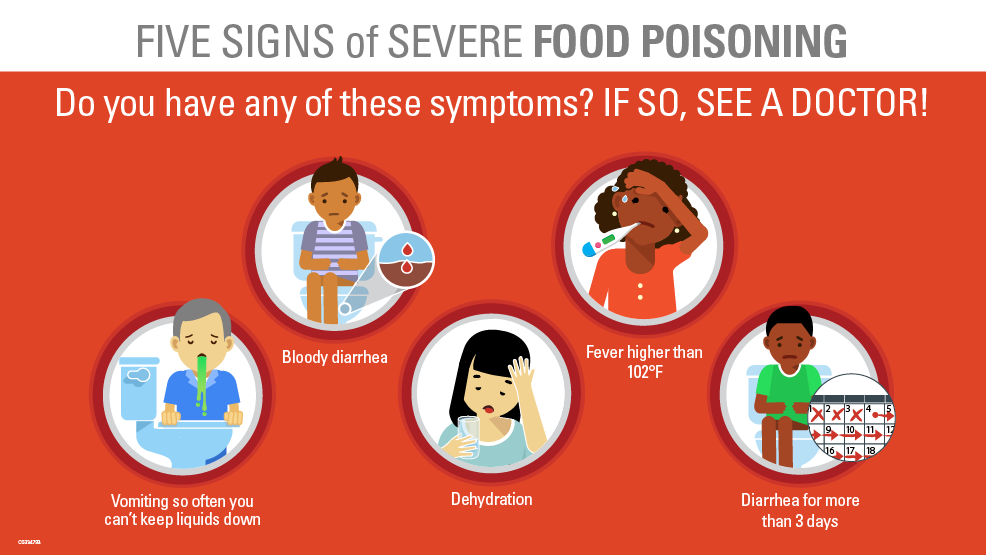
- Food poisoning red flags: severe dehydration, blood in stool, high fever, symptoms lasting multiple days, confusion, or severe weakness.
Types (and Basic Differences)
Food Allergy (types)
- IgE-mediated (classic “allergic reaction”): can happen within minutes to a couple hours; can become anaphylaxis.
- Non-IgE or mixed: may be slower, more digestive/skin-related (still needs medical guidance).
- Common major allergens: milk, egg, peanut, tree nuts, wheat, soy, fish, shellfish; sesame is also a major allergen in many labeling systems.
Food Poisoning (types)
- Bacterial (e.g., Salmonella, Campylobacter, E. coli, Listeria)
- Viral (e.g., norovirus from contaminated food or sick handlers)
- Parasites (less common, but possible)
- Toxins (some germs make toxins; sometimes symptoms hit fast)
Causes
Food Allergy
- Your immune system overreacts to a food protein.
- Even tiny amounts can trigger reactions for some people.
- Cross-contact can happen (shared utensils, cooking surfaces, fryers).
Food Poisoning
- Food/drinks contaminated by germs or toxins.
- Common sources: undercooked meat/eggs, unwashed produce, unpasteurized drinks, improperly stored leftovers, contaminated water/ice.
Risk Factors
Food Allergy
- Personal or family history of allergies, asthma, eczema.
- Having asthma can increase risk of severe breathing symptoms during a reaction.
- Teens are at higher risk for severe outcomes because of social eating, risk-taking, and not wanting to “stand out.”
Food Poisoning
- Eating food that’s been sitting out too long.
- Undercooked meats/eggs or raw/undercooked seafood.
- Improper handwashing during food prep.
- Higher risk for severe illness: pregnancy, weakened immune system, certain chronic conditions.
Who is Vulnerable/Susceptible?
- Food allergy: anyone, but often starts in childhood; some allergies persist into teen years.
- Food poisoning: anyone can get it; severity can be worse for very young kids, older adults, and immunocompromised people.
Complications
Food Allergy
- Anaphylaxis (life-threatening reaction)
- Repeat exposures and anxiety around eating
- School and social stress (“I don’t want to be the complicated one”)
Food Poisoning
- Dehydration
- Rarely: kidney problems (some E. coli strains), bloodstream infections, or long recovery
Prevention
Food Allergy prevention (safety)
- Read labels every time (ingredients can change).
- Ask about cross-contact at restaurants (especially shared fryers/counters).
- Have an emergency plan (school + sports + hangouts).
- If prescribed: carry epinephrine auto-injector and know how/when to use it (learn from your clinician).
Food poisoning prevention (low-drama basics)
- Wash hands before eating and after using the bathroom.
- Keep hot foods hot and cold foods cold.
- Be careful with leftovers (refrigerate promptly; reheat fully).
- Avoid questionable food situations (“it smells fine” is not a test).
How It Develops
Food Allergy
Immune system gets “sensitized” → next exposure can trigger symptoms → mild to severe depending on the person, dose, and other factors.
Food Poisoning
You eat/drink contaminated food → germs/toxins irritate your gut (sometimes invade) → symptoms show up hours to days later depending on the germ.
What Are the Common Symptoms?
Food Allergy symptoms (can show up fast)
- Hives, itching, flushed skin
- Swelling of lips/face/tongue
- Wheezing, coughing, trouble breathing
- Stomach cramps, vomiting, diarrhea
- Dizziness, fainting
- Emergency signs: throat tightness, trouble breathing, fainting, “I feel like something is very wrong.”
Food Poisoning symptoms
- Diarrhea
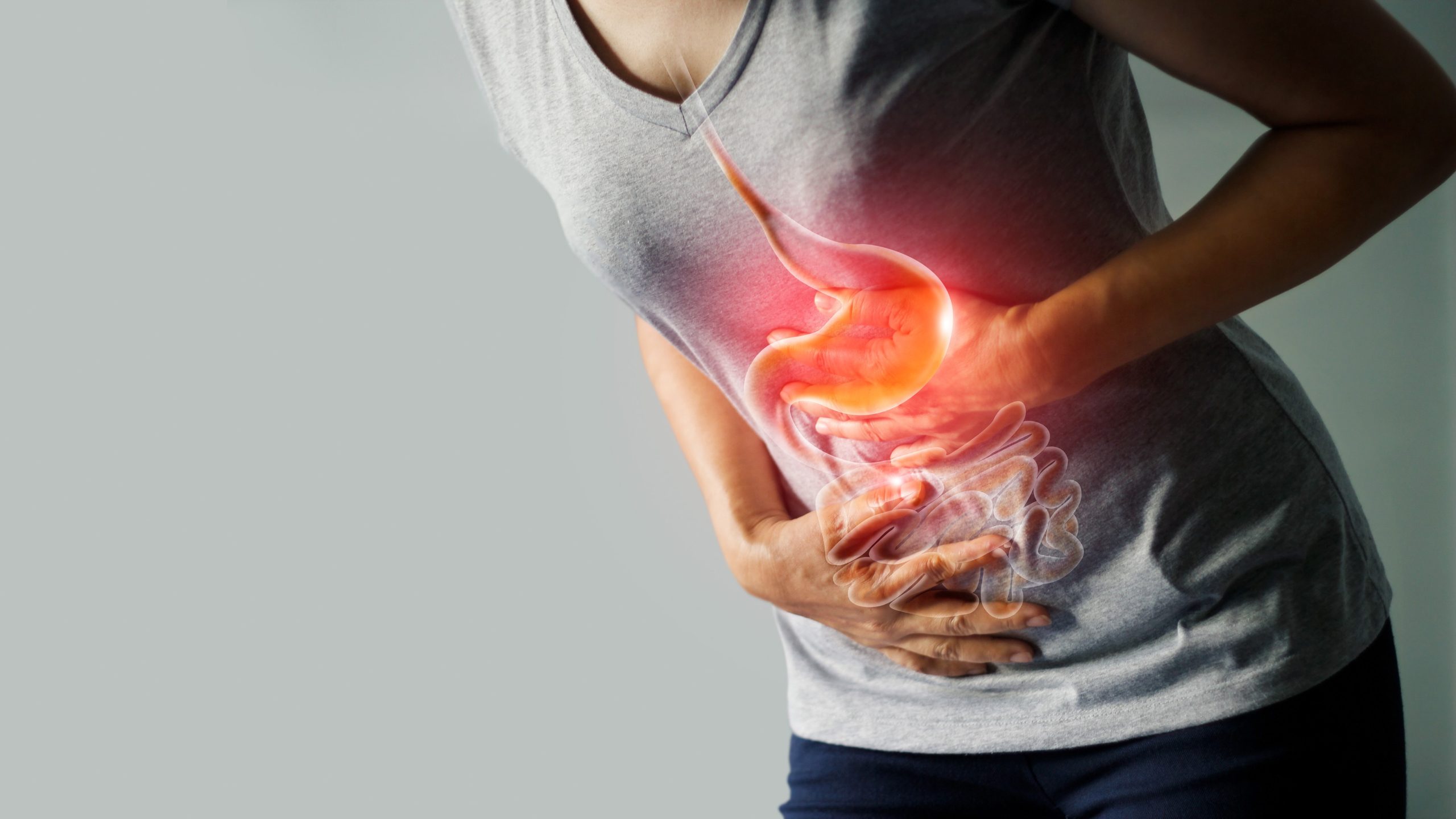
- Stomach pain/cramps
- Nausea and vomiting
- Fever
- Fatigue/weakness
What Other Problems Can Cause Similar Symptoms?
- Stomach virus (viral gastroenteritis)
- Food intolerance (lactose, fructose, gluten sensitivity—not the same as celiac)
- Acid reflux
- Anxiety/panic (can mimic throat tightness—still treat breathing trouble as urgent)
- Appendicitis (severe right-lower abdominal pain + fever = urgent)
- Inflammatory bowel disease (ongoing symptoms)
Diagnosis and Tests
Food Allergy
- History of reaction + trigger timing is a big clue.
- Allergy specialist may use skin-prick tests, blood tests (specific IgE), and supervised oral food challenge.
- Don’t “test” allergies at home by eating the food again.
Food Poisoning
- Often diagnosed by symptoms + timing + what you ate.
- Sometimes stool tests or blood tests (especially if severe, prolonged, or outbreak suspected).
Treatment and Therapies
Food Allergy
- Avoid the trigger food (and manage cross-contact).
- If prescribed: epinephrine auto-injector for severe reactions; follow your action plan.
- Antihistamines may help mild symptoms (but do NOT replace epinephrine for anaphylaxis).
- Work with a clinician for an emergency action plan at school and during sports/travel.
Food Poisoning
- Hydration is the main priority (especially with vomiting/diarrhea).
- Rest + gentle foods as tolerated (when you can eat).
- Some cases need medical care; antibiotics are only used for certain infections (doctor decides).
Statistics & Disparity (Why This Hits Teens Differently)
- Food allergies: school cafeterias, parties, dating, and “trying not to be awkward” can increase risk if you don’t speak up.
- Food poisoning: teens often eat on-the-go, share food, and rely on convenience foods—more chances for risky storage and handling.
Alternative/Complementary Supports (Safe Options)
- Food allergy: education, label-reading skills, planning for hangouts, and mental support for anxiety around eating.
- Food poisoning: hydration support, rest, and gradual return to normal foods.
- Be careful: “detoxes,” random supplements, or extreme restriction can make things worse.
Cost of Treatment and/or Management
- Food allergy: cost can include specialist visits, medications (like epinephrine), and safe food substitutes.
- Food poisoning: usually low cost if mild; can become costly if it leads to urgent care, labs, or IV fluids.
Prognosis
- Food allergy: some allergies are outgrown, others last. With planning + action plan, most teens live fully normal lives.
- Food poisoning: most cases resolve in a few days; severe cases need medical help.
What Happens if No Treatment?
Pros (short-term “I’ll just ignore it”)
- You avoid the hassle of telling adults or getting checked.
Cons (real risk)
- Food allergy: severe reactions can escalate fast without emergency treatment.
- Food poisoning: dehydration can become dangerous; some infections can cause serious complications.
- School impact: missed classes, low energy, anxiety around eating.
Quick Table: Allergy vs Intolerance vs Food Poisoning
| Topic | What it is | Timing | Common signs | Big danger sign |
|---|---|---|---|---|
| Food allergy | Immune reaction to a food protein | Minutes to ~2 hours (often fast) | Hives, swelling, wheeze, vomiting | Trouble breathing / fainting |
| Food intolerance | Digestive issue (not immune) | Usually slower / dose-related | Bloating, gas, cramps | Rarely life-threatening |
| Food poisoning | Germs/toxins in food | Hours to days | Diarrhea, cramps, fever, vomiting | Severe dehydration / blood in stool |
“When to See a Doctor Today” Checklist
- Call emergency services NOW if there’s trouble breathing, throat tightness, severe swelling, fainting, or a known severe allergy reaction.
- Go to urgent care/doctor today if you have:
- Repeated vomiting or can’t keep fluids down
- Signs of dehydration (very dark pee, dizzy when standing, barely peeing)
- Blood in stool, severe belly pain, or high fever
- Symptoms lasting > 3 days or getting worse
- A first-time suspected food allergy reaction (get evaluated)
Myths vs Facts
- Myth: “A tiny bite can’t matter.”
Fact: For some allergies, tiny amounts can trigger a reaction. - Myth: “If it’s an allergy, it’s always hives.”
Fact: Allergies can show up as breathing symptoms, stomach symptoms, or swelling. - Myth: “Food poisoning is always from restaurants.”
Fact: It can come from home food, school food, parties, or anywhere. - Myth: “If I feel sick, I should stop drinking water.”
Fact: With vomiting/diarrhea, hydration is critical (small sips can help).
Trusted Resources (Learn More)
- MedlinePlus – Food Allergy (Anaphylaxis)
- MedlinePlus – Food Allergy Testing
- FDA – Food Allergies: What You Need to Know
- FDA – Food Allergies (Labeling & Safety)
- CDC – Food Poisoning: Signs and Symptoms
- CDC – What to Do if You Think You Have Food Poisoning
- CDC – Food Safety (Basics)
- Mayo Clinic – Food Poisoning: Diagnosis & Treatment
- Mayo Clinic – Food Allergy: Symptoms & Causes
- Cleveland Clinic – Food Allergies
- NHS – Food Allergy
- NHS – Food Poisoning
- MyHealthfinder (HHS) – Healthy Living Topics
Helplines (Fast Help)
- Emergency (US): Call 911 if someone has trouble breathing, throat tightness, severe swelling, or faints.
- Poison Control (US): 1-800-222-1222 (24/7) or PoisonHelp.org
- If you’re outside the US: search your country’s “Poison Control” number or ask a trusted adult right away.
TeenThreads closer: Being “chill” is cool. Being safe is cooler. If you think it’s an allergy reaction or you’re getting dangerously dehydrated, don’t tough it out alone.